Article
Lessons from Replacing a Legacy VPN with ZTNA
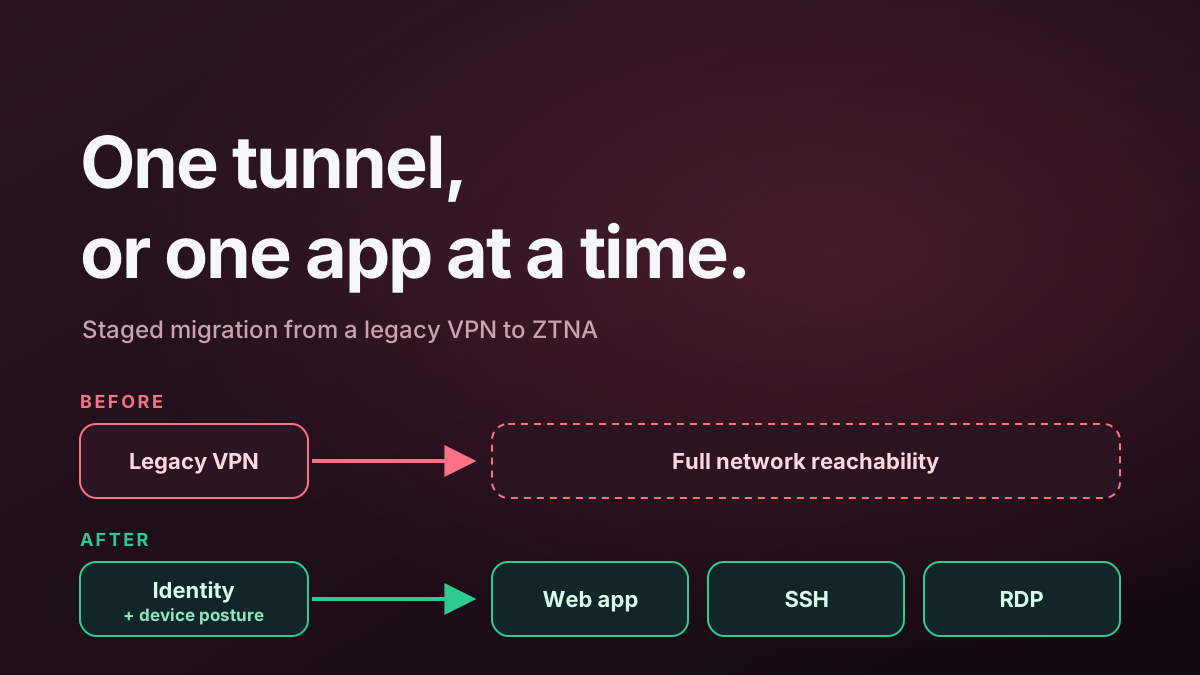
Practical lessons from an enterprise ZTNA deployment: foundations, staged migration, policy automation, legacy applications, change management, and measurement.
Long-form technical writing
Implementation notes, architecture decisions and lessons learned across identity, security, cloud platforms, networking and automation.
A practical starting point
Practical lessons from an enterprise ZTNA deployment: foundations, staged migration, policy automation, legacy applications, change management, and measurement.
Newest first
Showing all 33 articles.
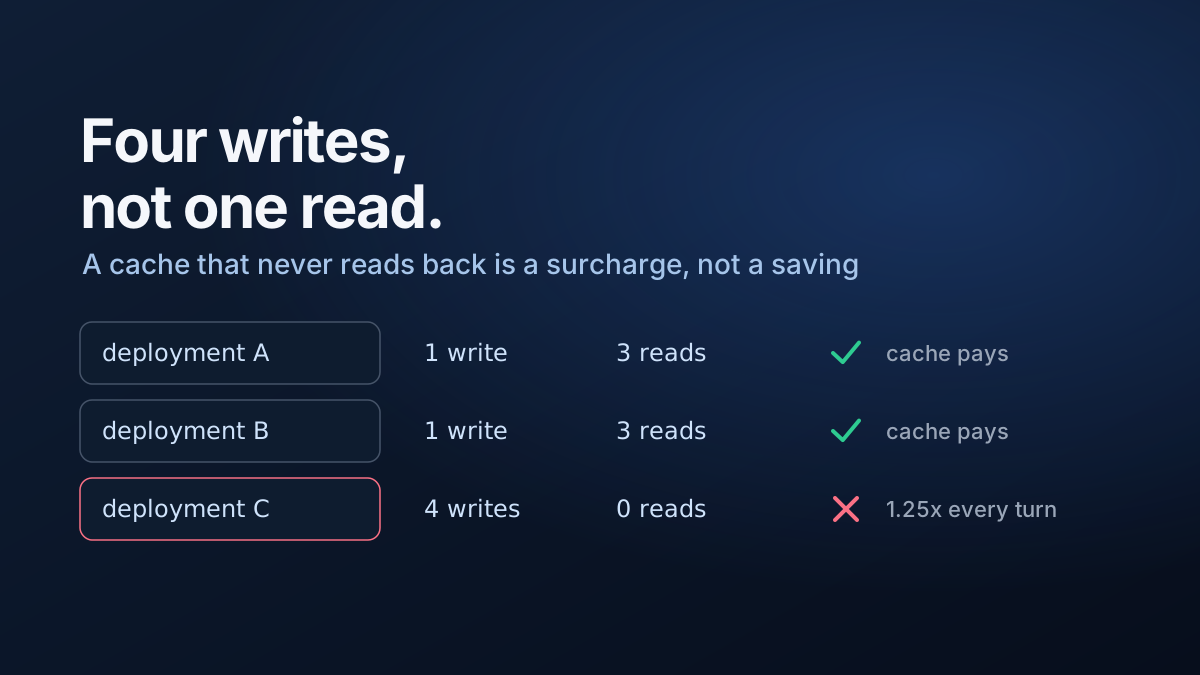
Prompt caching bills writes at a premium and reads at a discount, so a cache that never reads back is strictly more expensive than not caching at all. How I found one deployment doing exactly that, and what made it visible.
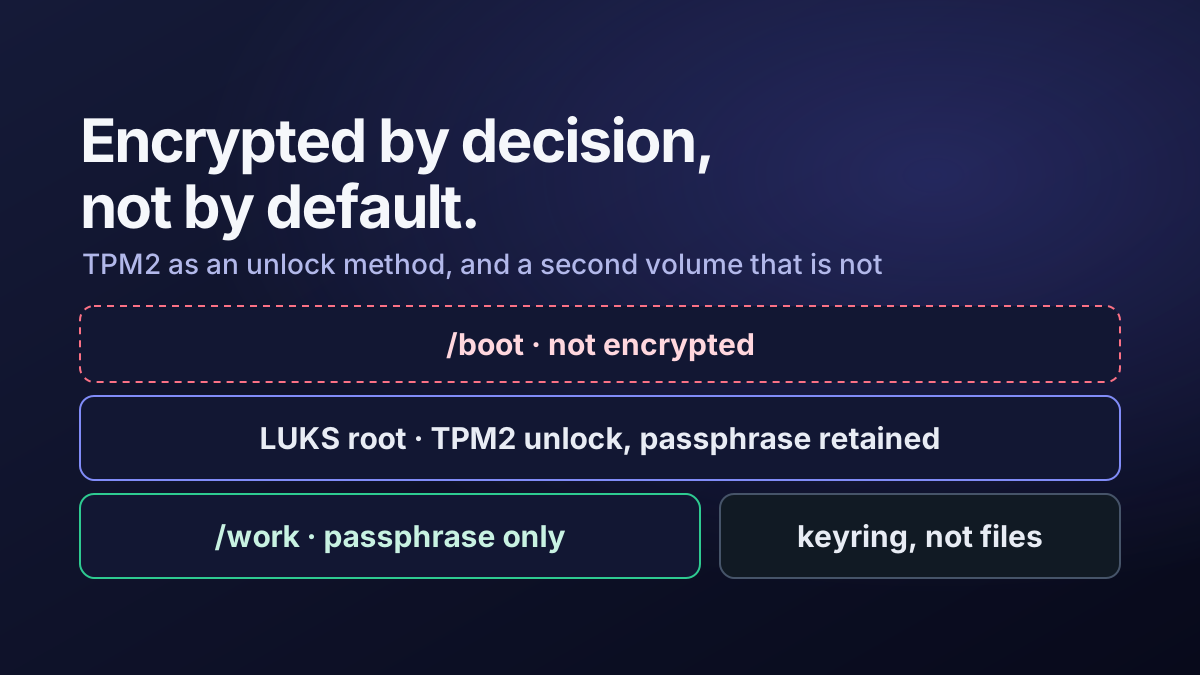
Building an Ubuntu engineering laptop where the disk encryption, credential storage and boot behaviour are decisions rather than defaults: TPM2-backed LUKS unlock, a separate encrypted work volume, and an honest account of what each choice does and does not protect.
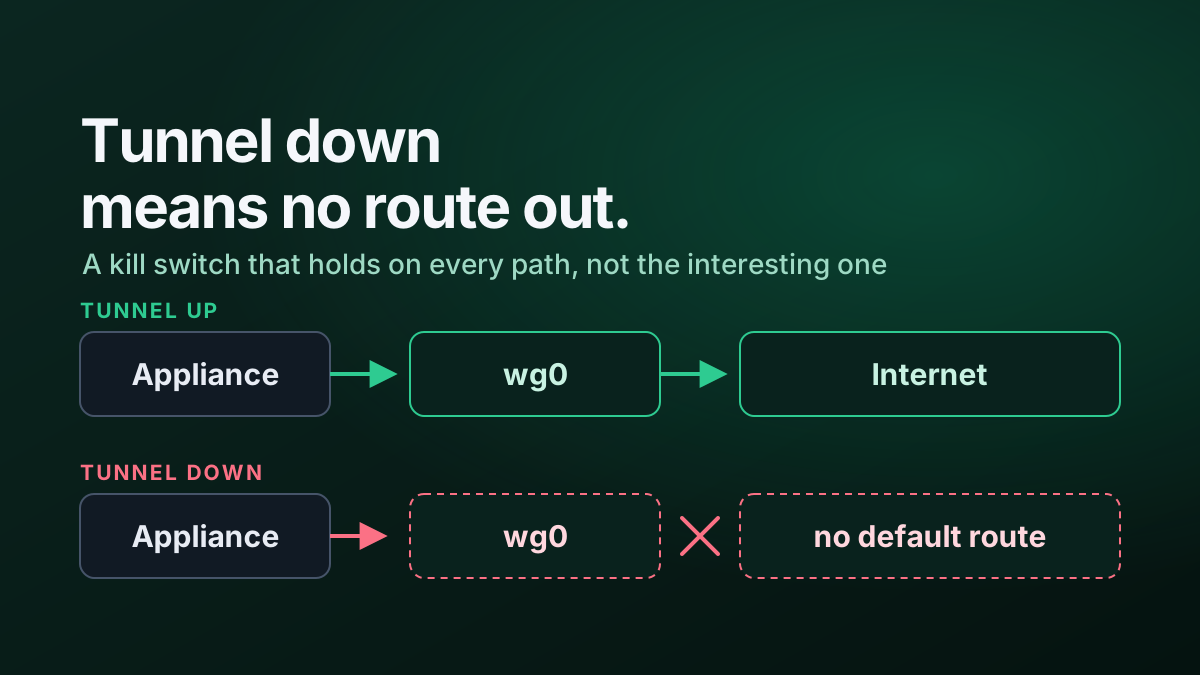
Building a WireGuard tunnel with a real kill switch on a device with no package manager and a read-only root: the bootstrap paradox, the unit-ordering typo systemd accepts silently, and why a watchdog that heals a fault also hides it.
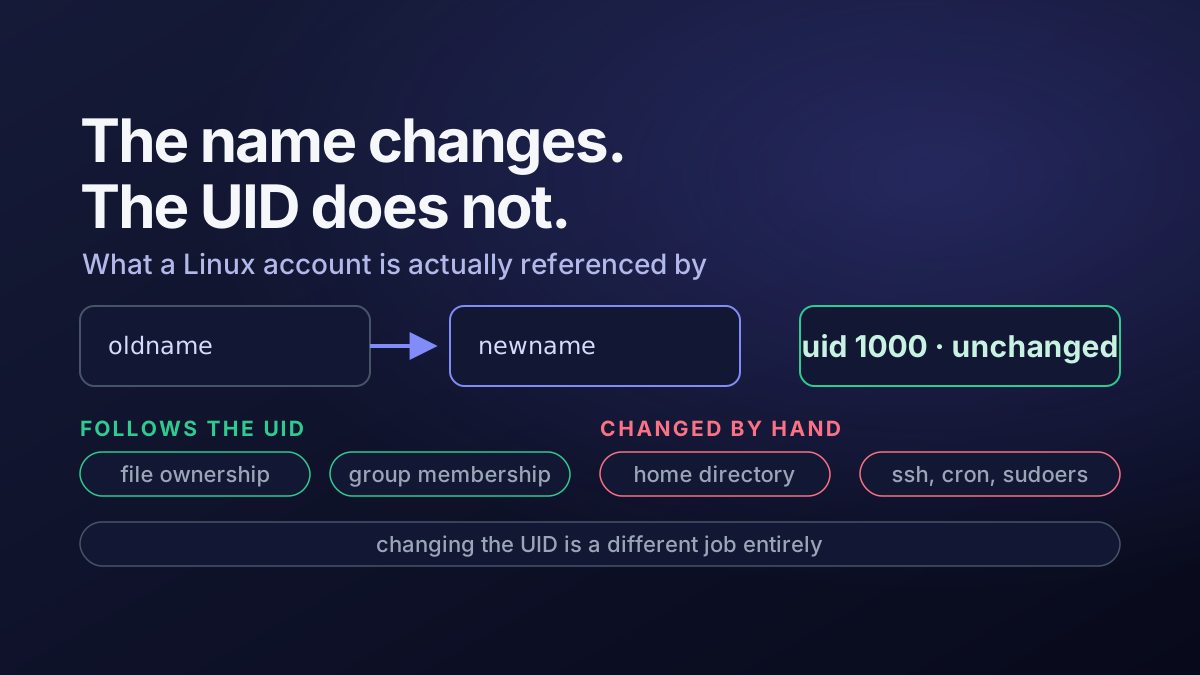
A username rename looks like one command and touches a dozen things. What a Linux account is actually referenced by, how to change it remotely without locking yourself out, and why changing the UID is a different job entirely.
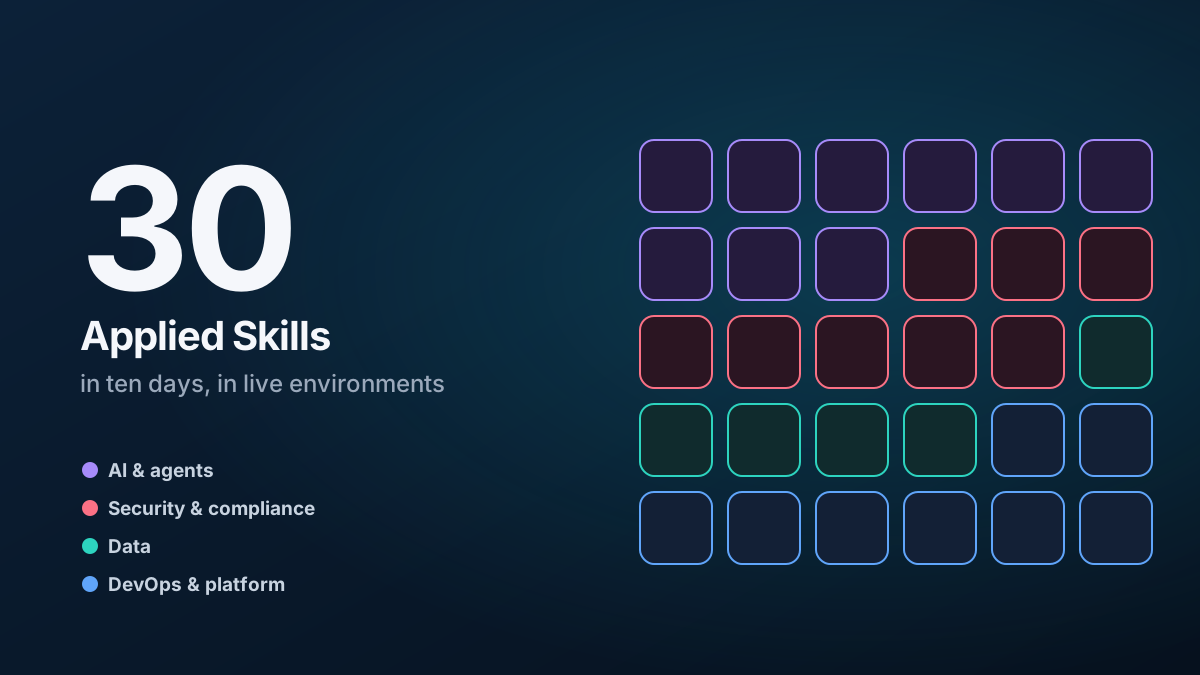
I completed 30 Microsoft Applied Skills in ten days. The interesting part is not the number — it is what a lab-based assessment measures that a certification exam cannot.
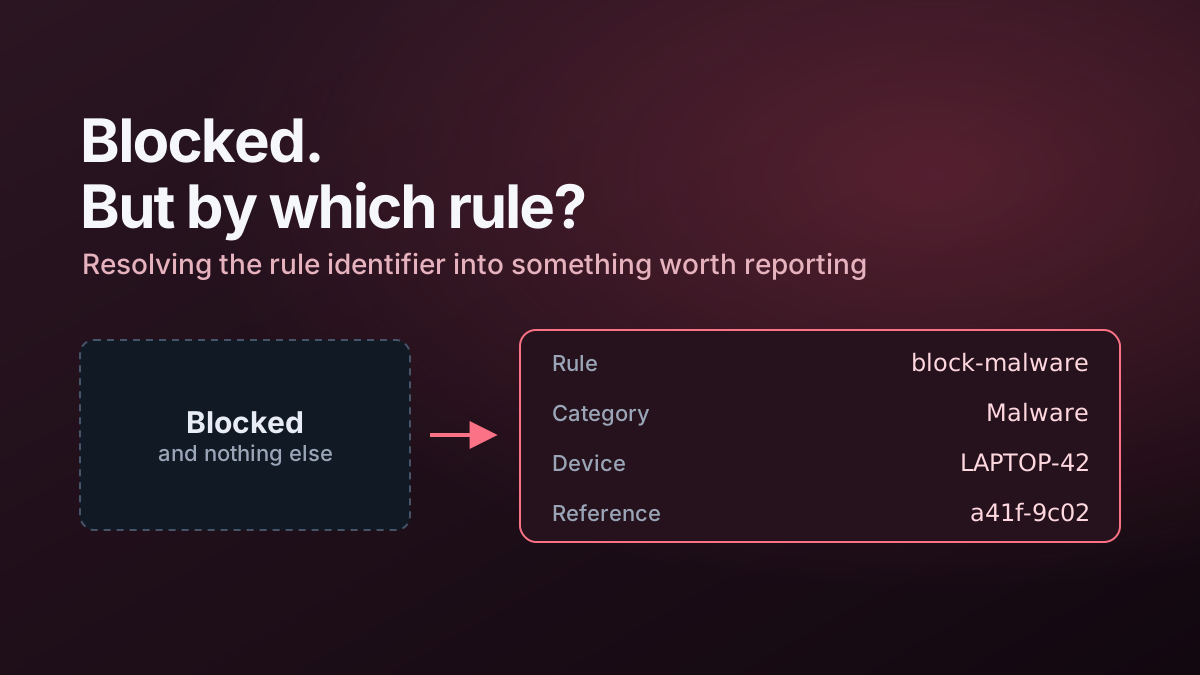
How I used a Cloudflare Worker to enrich Gateway blocks with policy, device, user, category and Cloudflare One Client context while keeping the page resilient and secure.
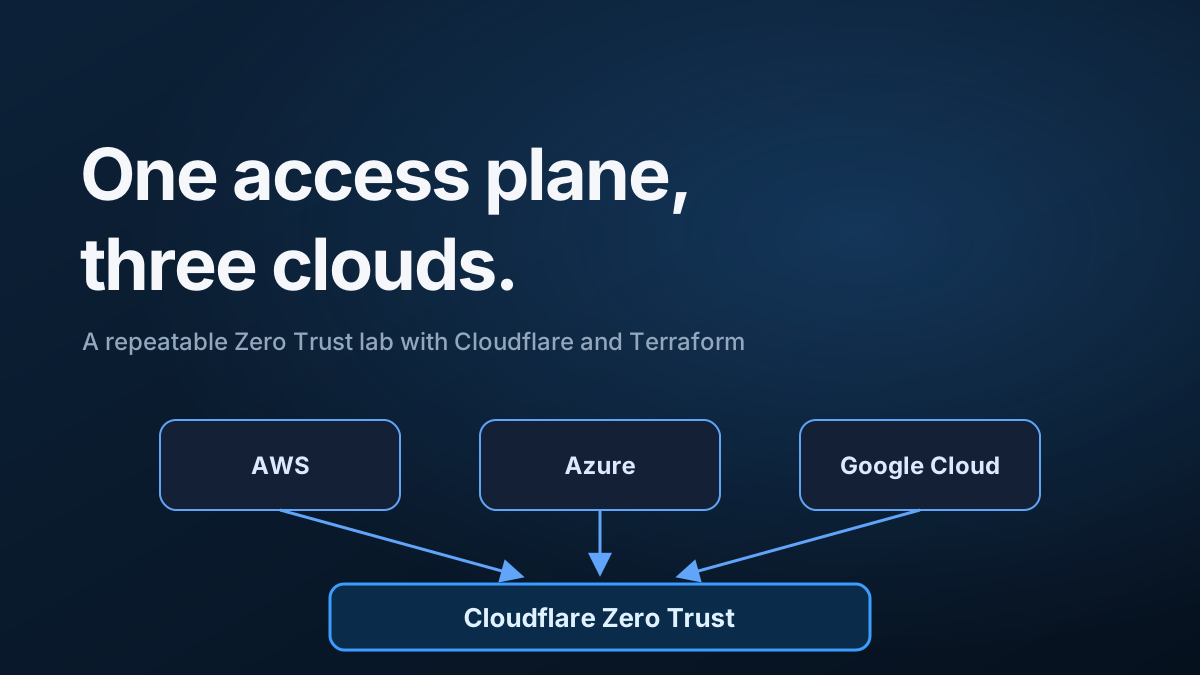
How I built a repeatable AWS, Azure and Google Cloud lab to explore Cloudflare Access, Gateway, WARP routing, device posture and external evaluation as one integrated Zero Trust system.
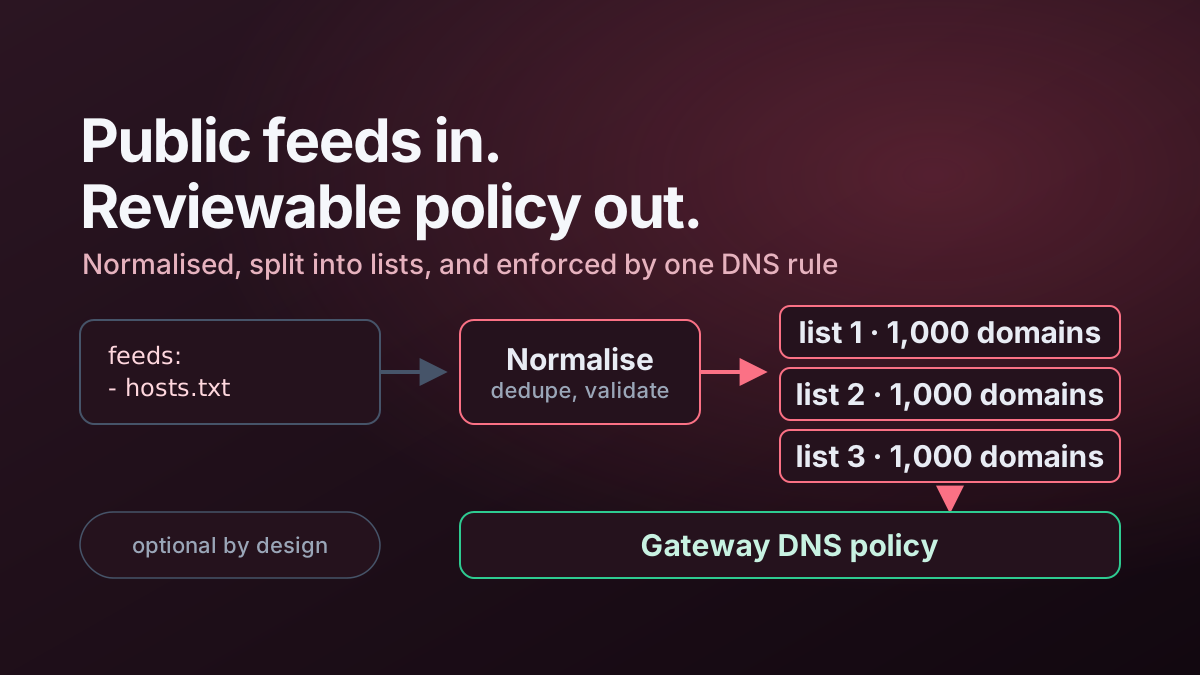
I used Terraform to fetch public domain feeds, turn them into Cloudflare Zero Trust lists and enforce them with a Gateway DNS policy that remains reviewable as code.
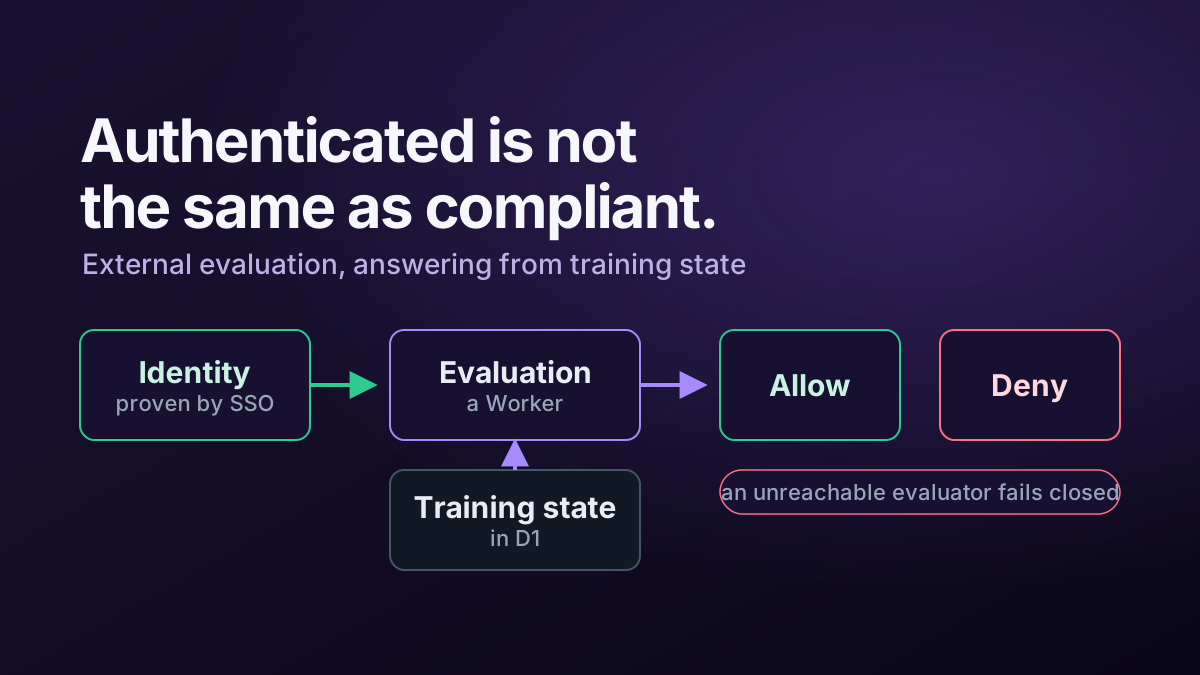
Authentication proves identity, but it does not prove a user has met a business requirement. I used Cloudflare Access External Evaluation, Workers and D1 to add training compliance to the access decision.
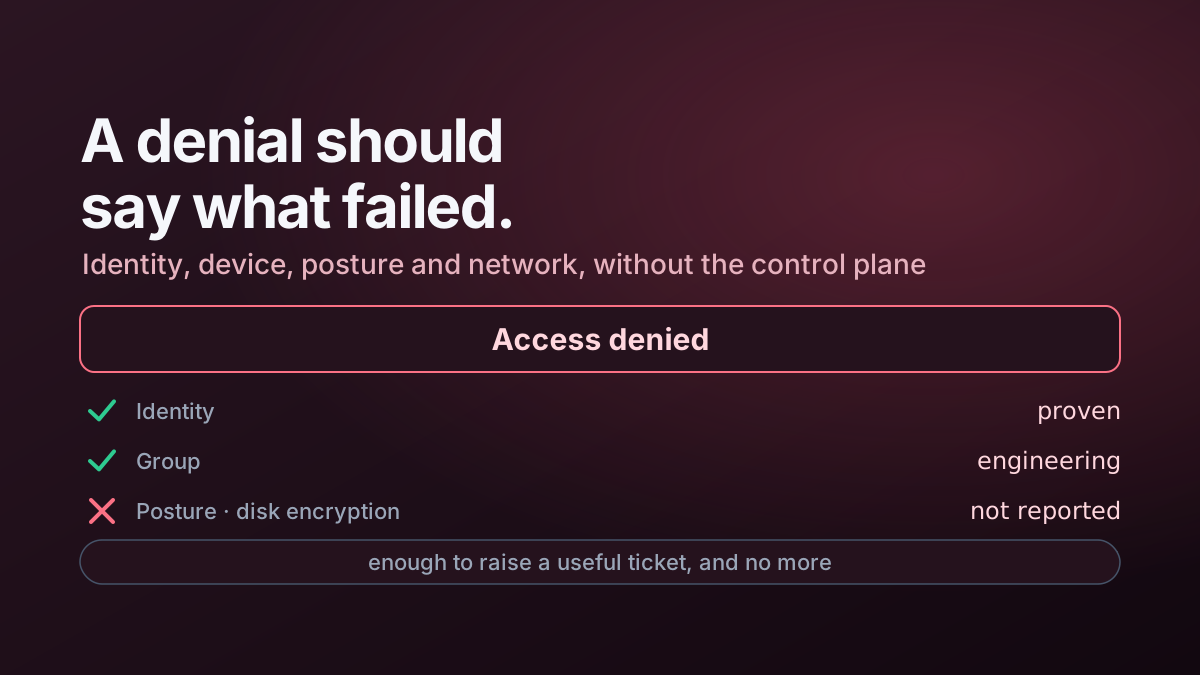
A custom Cloudflare Access denial page can turn a generic block into useful identity, device, posture and network diagnostics without exposing sensitive control-plane details.
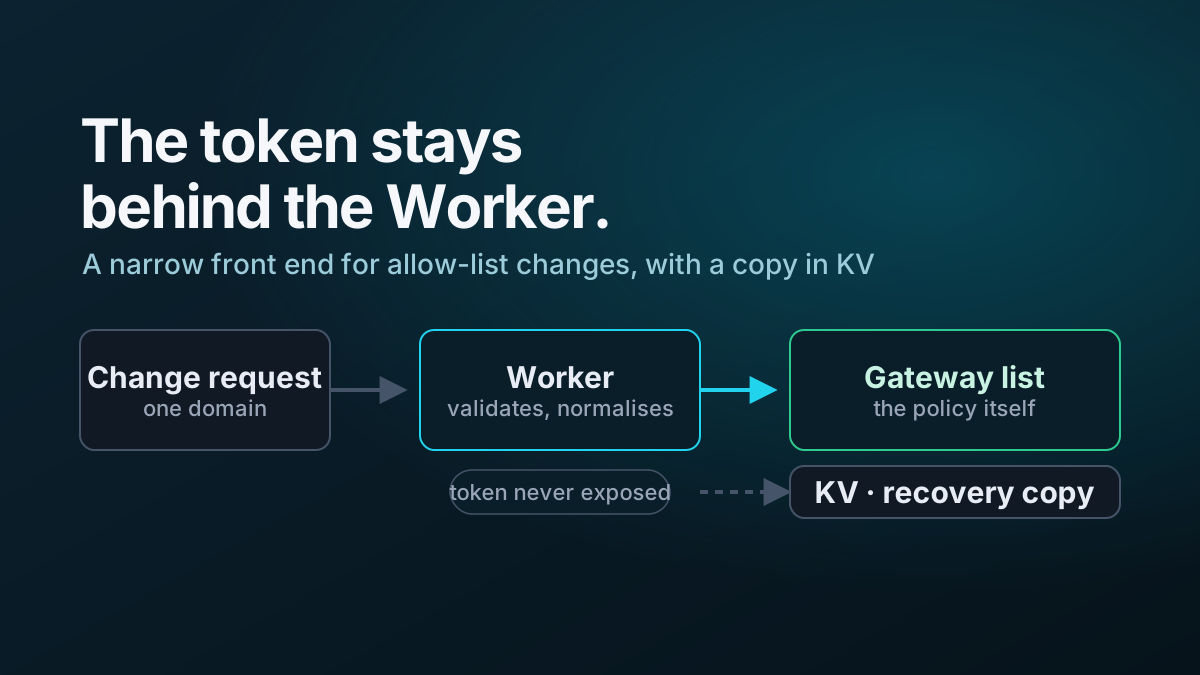
A small Cloudflare Worker can provide a controlled front end for Gateway allow-list changes while KV supplies recovery, synchronization and operational visibility.
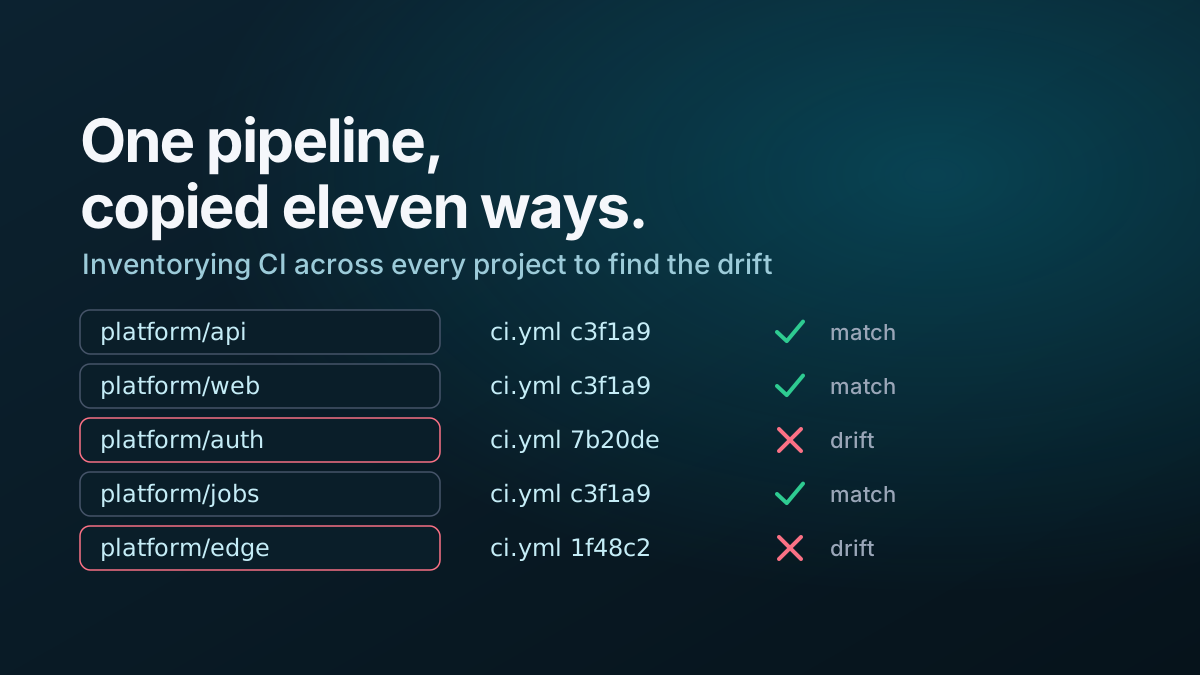
A practical PowerShell workflow for inventorying GitLab projects, collecting only CI-relevant files and identifying copied pipeline drift.
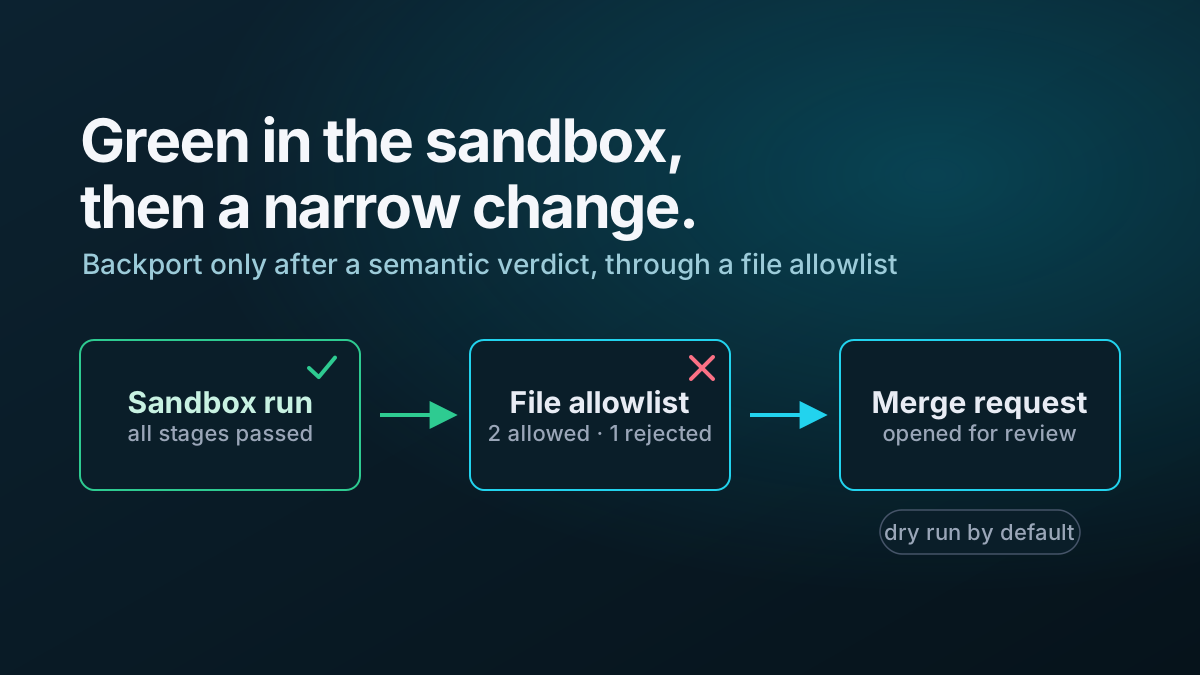
How I turned successful sandbox pipelines into narrow, reviewable GitLab merge requests without allowing automation to rewrite source repositories blindly.
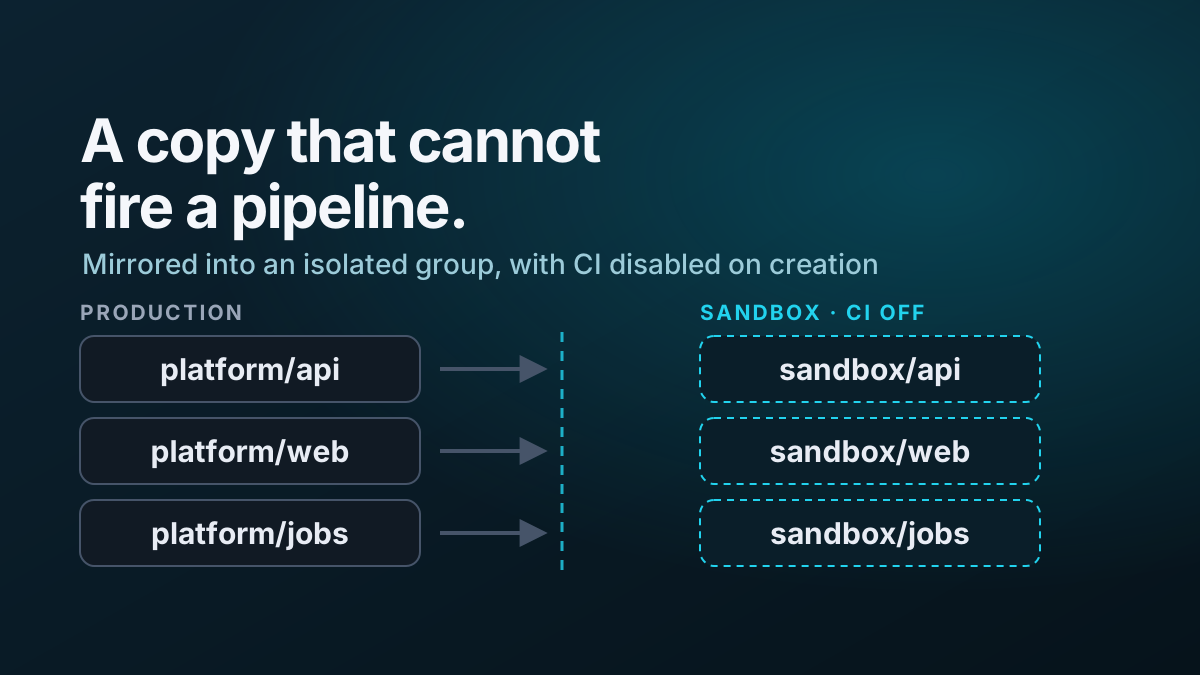
How to mirror GitLab repositories into an isolated group, preserve release history and prevent test pipelines from affecting production.
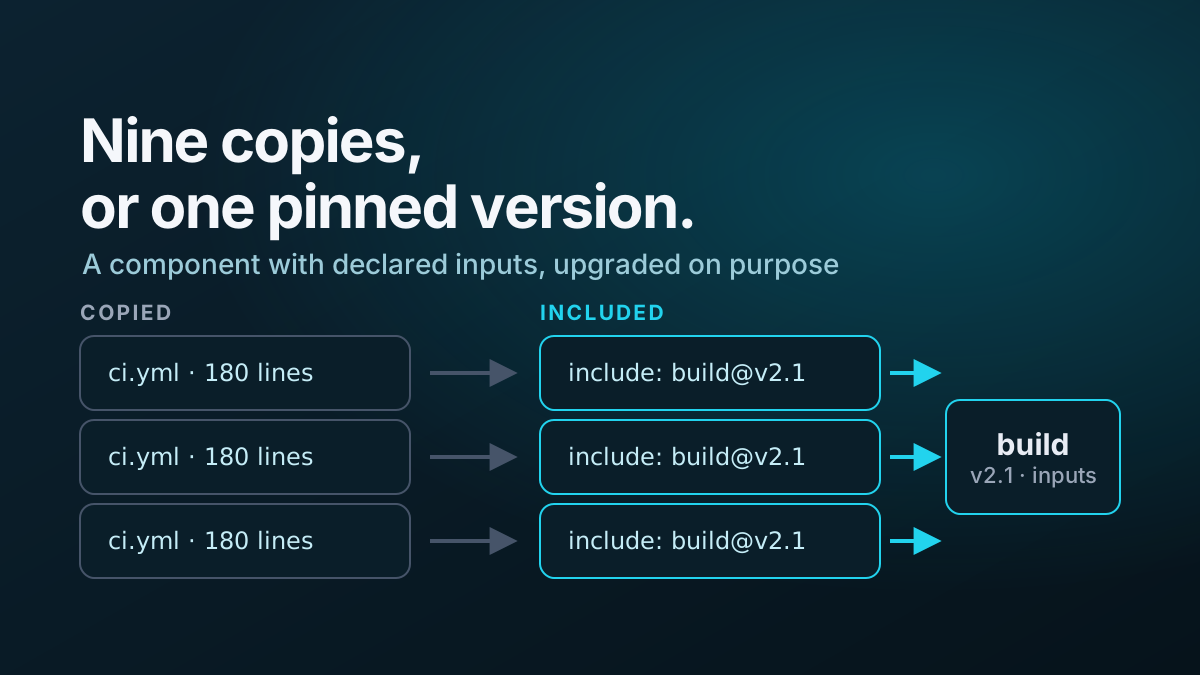
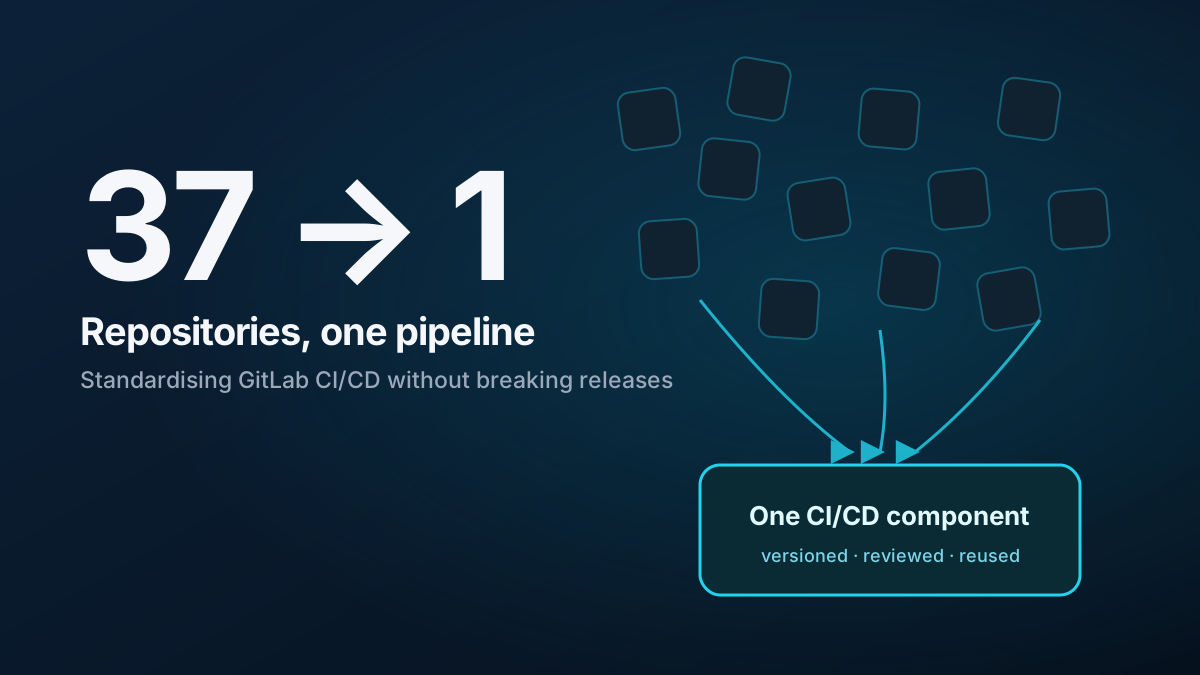
A practical migration path from repository-owned pipeline copies to versioned GitLab CI/CD components with controlled inputs and upgrades.
How one broken release job became a repeatable audit, sandbox, verification and backport workflow for a mixed GitLab repository estate.
From WSL2 and container health checks to DNS caching and deployment tooling, the practical lessons I learned taking a simple application from source code to a running service.
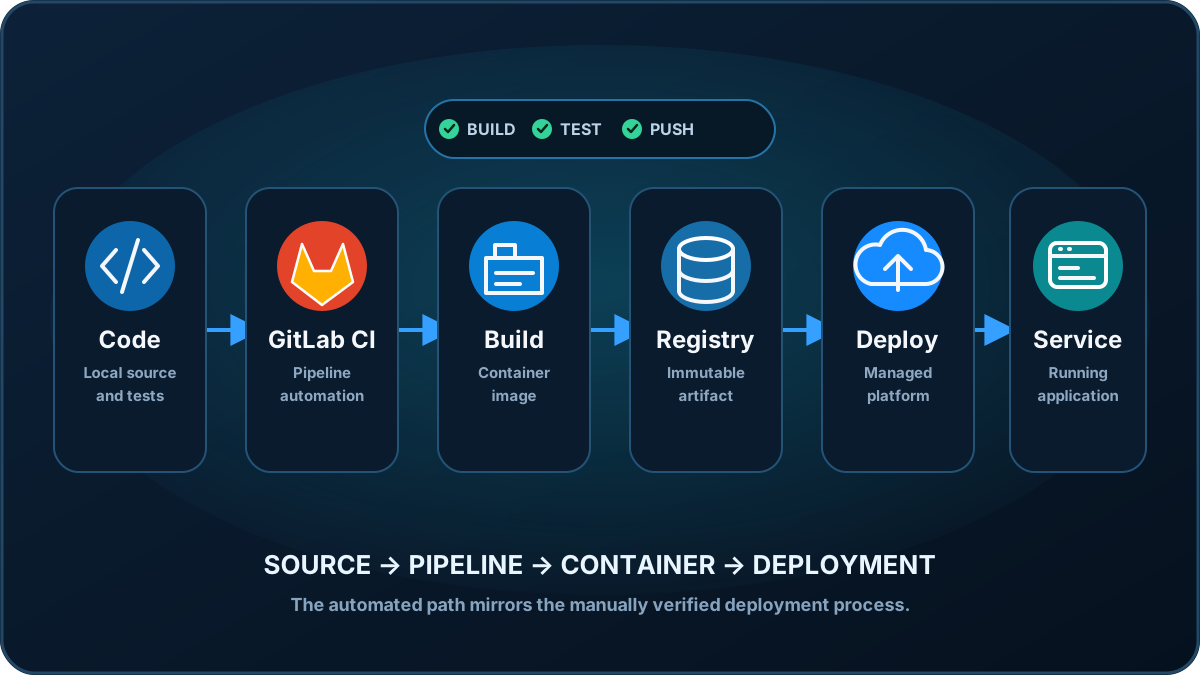
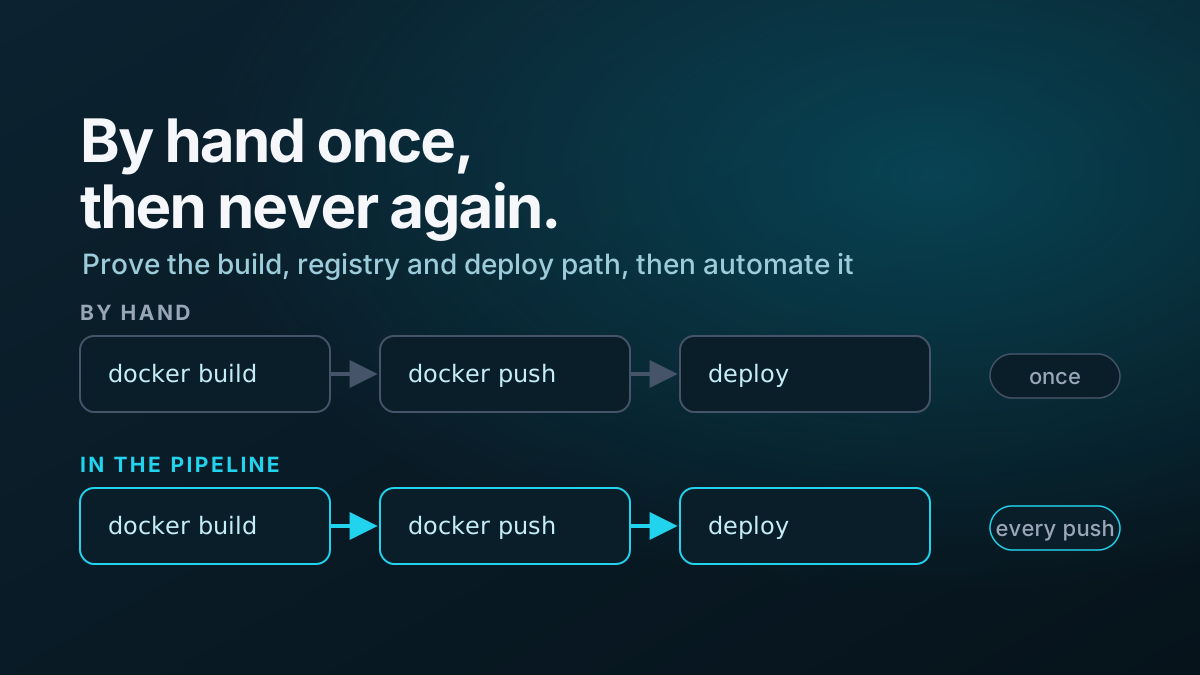
A practical approach to container CI/CD: prove the build, registry and deployment path manually, then automate the same operations with GitLab.
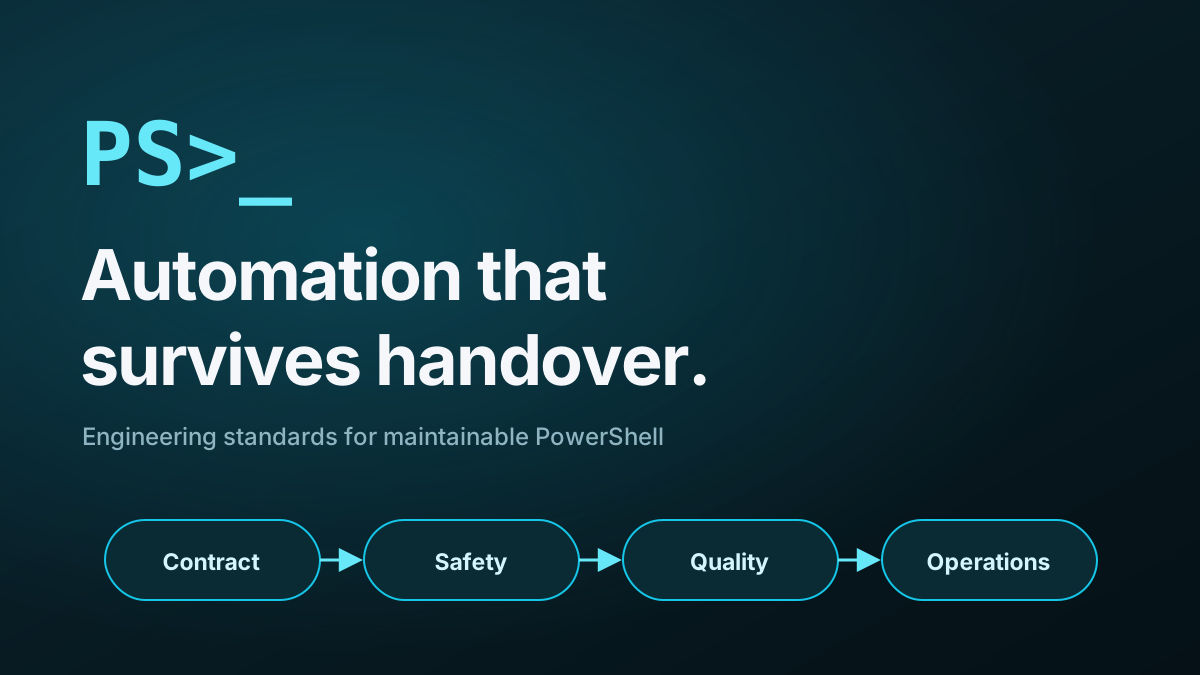
A practical standard for PowerShell that makes production automation predictable, testable, supportable and safe to change.
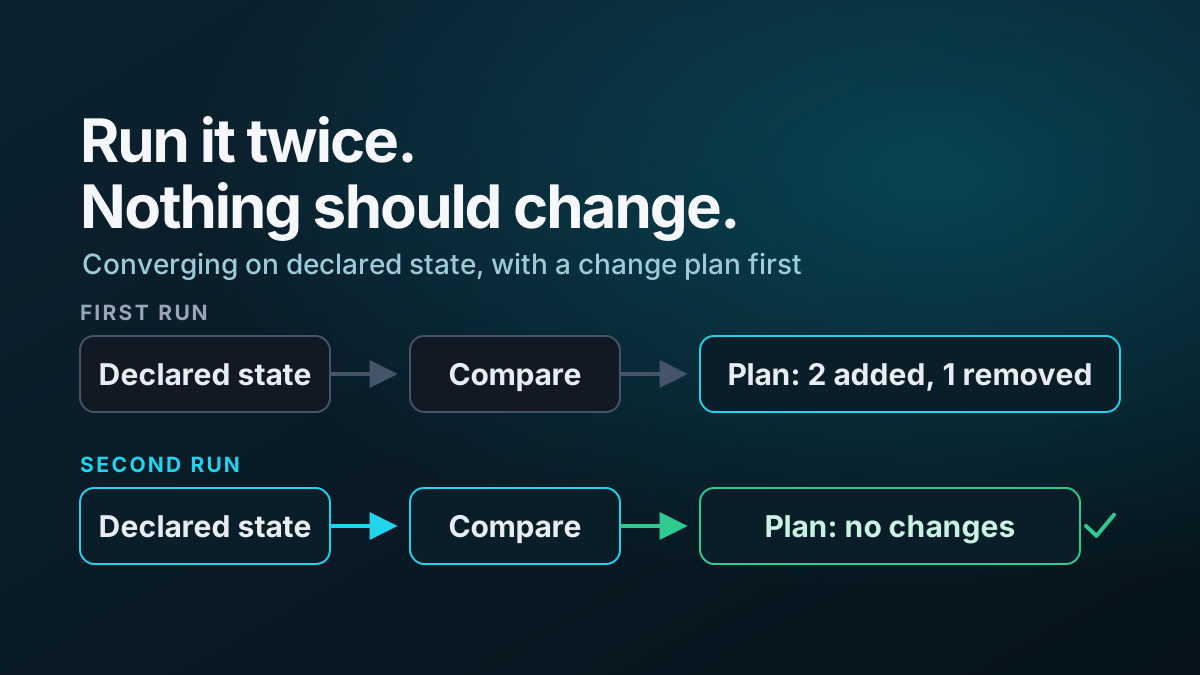
How to design backup automation that converges configuration safely, proves each run, controls retention and keeps restore testing separate from job success.
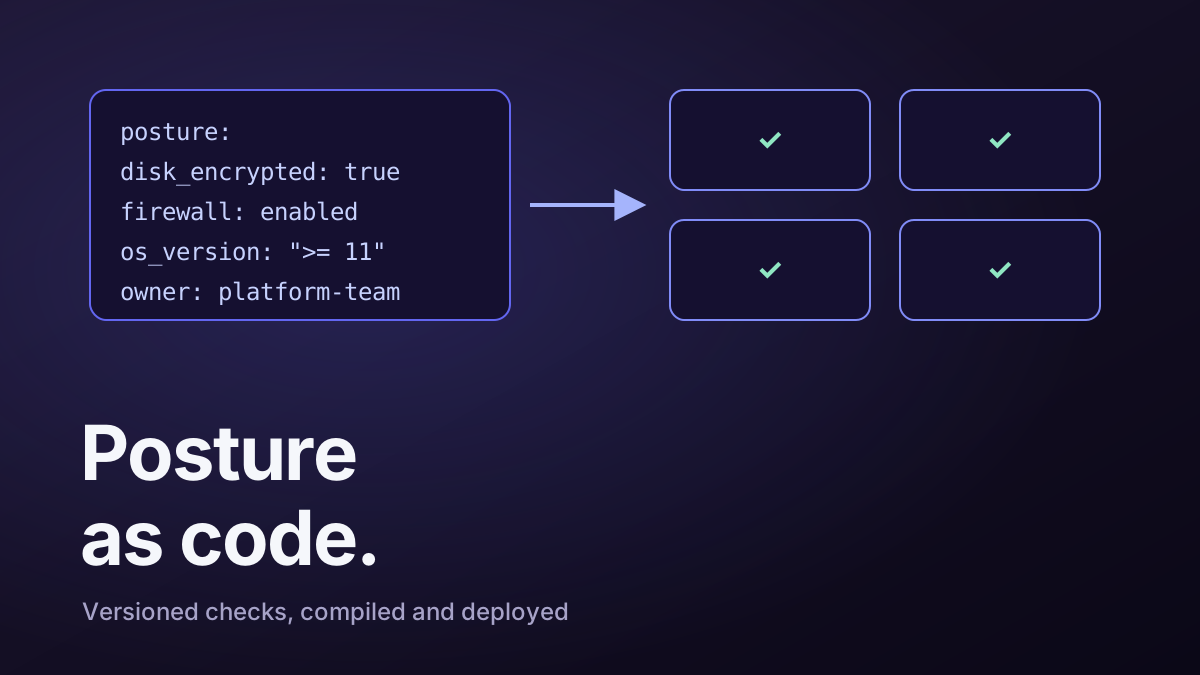
How to model, validate and deploy Cloudflare device posture checks as reusable configuration without coupling policy intent to environment-specific object IDs.
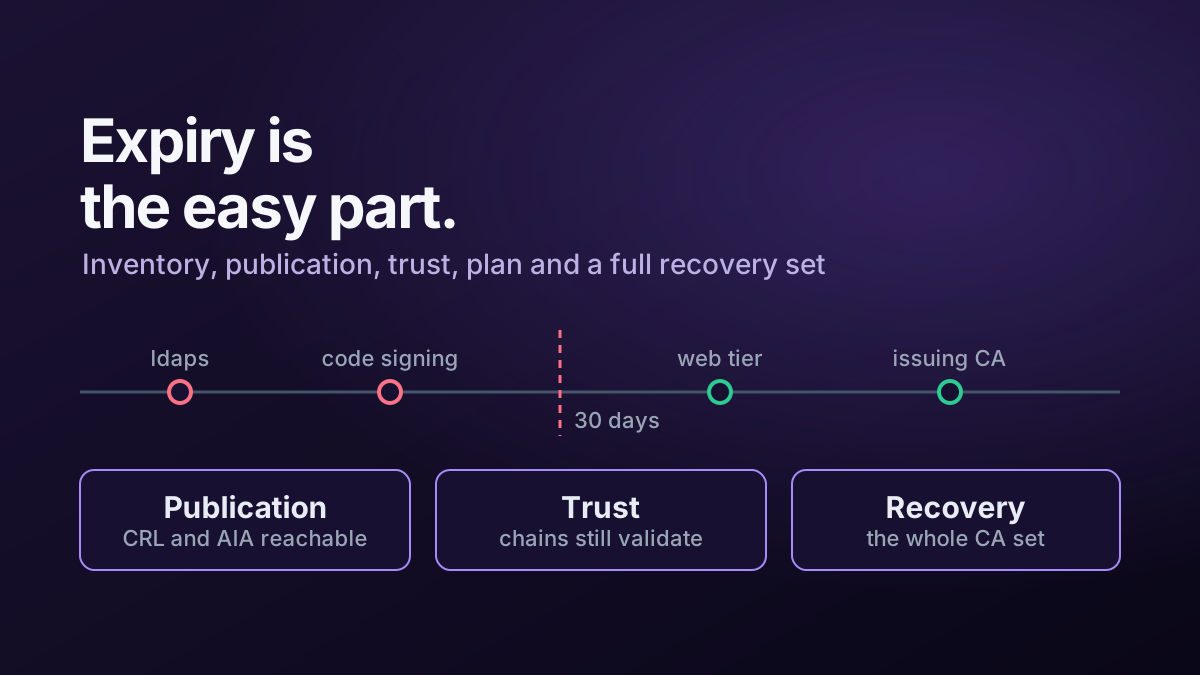
A safe pattern for automating PKI inventory, expiry monitoring, CA health checks, maintenance evidence and certificate lifecycle tasks without hiding risk.
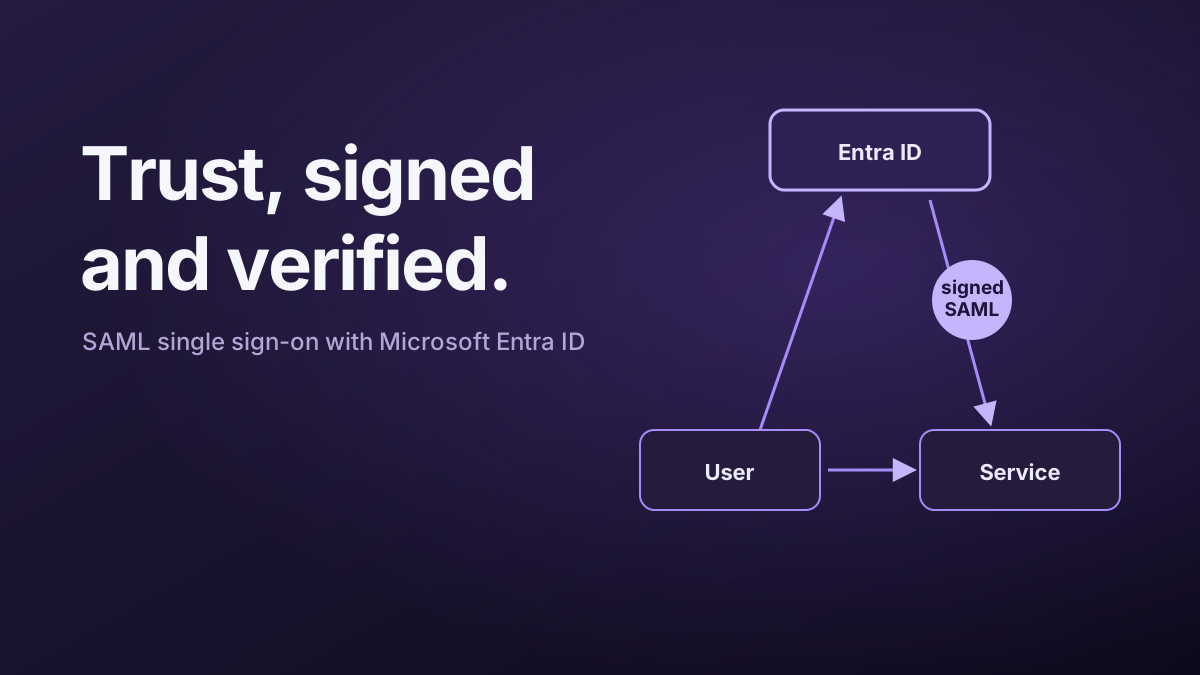
A practical implementation sequence for SAML SSO in Microsoft Entra ID, including claims, assignments, certificate lifecycle, testing and rollback.
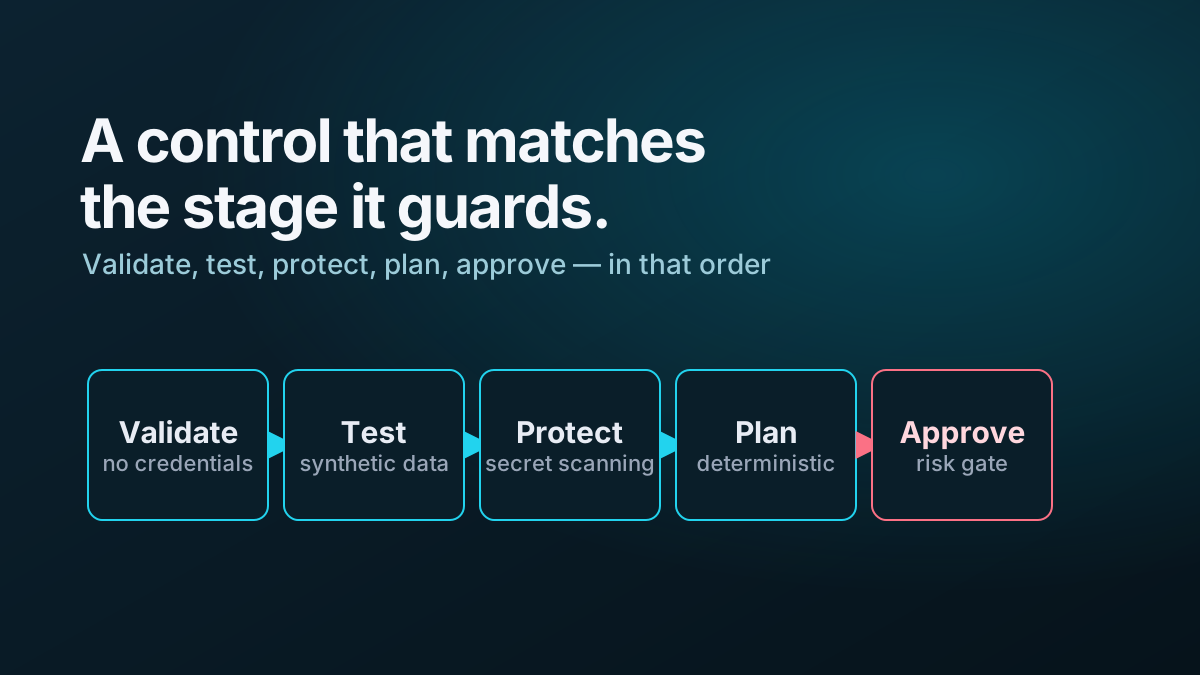
A practical DevSecOps pipeline for infrastructure changes: validate early, protect credentials, inspect plans, approve risk and retain deployment evidence.
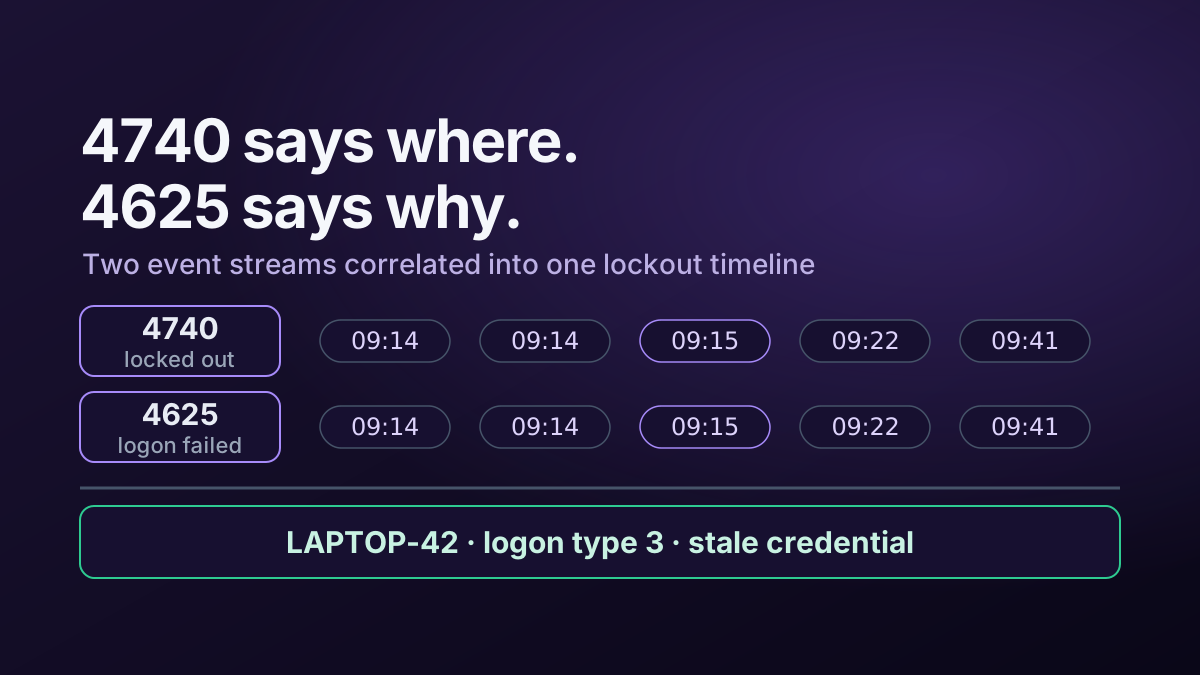
Use events 4740 and 4625 together to move from 'the account keeps locking' to a timeline that identifies the source device, logon type and stale credential.
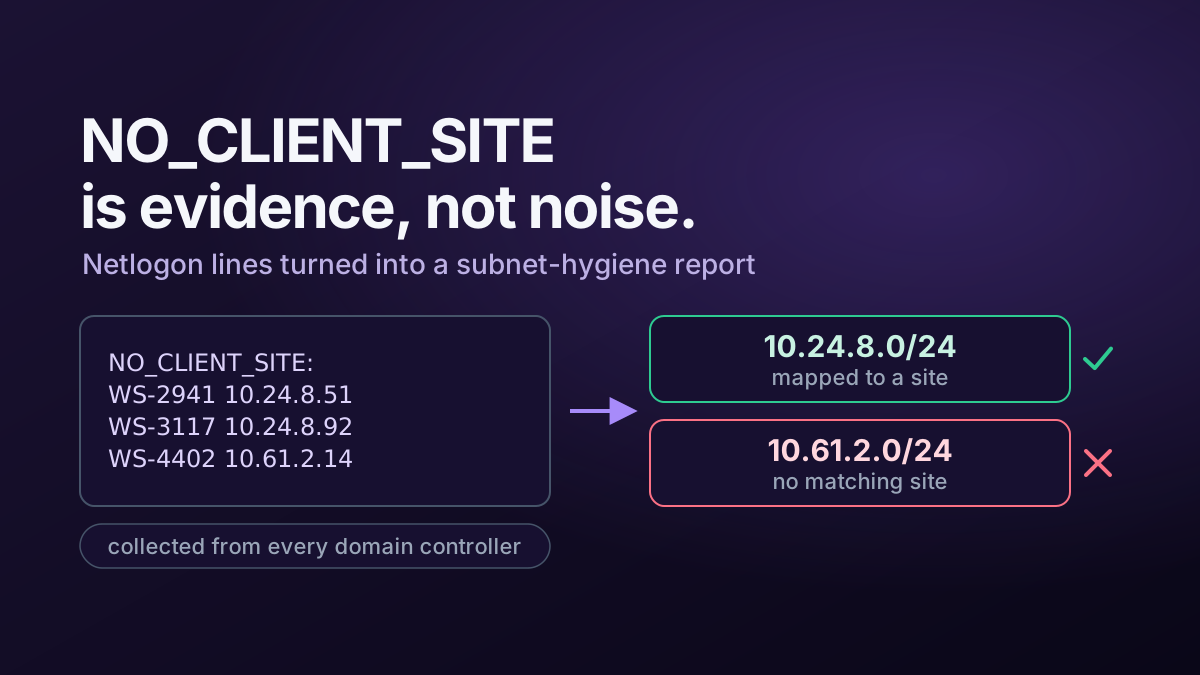
NO_CLIENT_SITE entries in Netlogon logs are useful evidence that client networks are not mapped cleanly to Active Directory sites. PowerShell can turn the logs into a subnet-hygiene report.
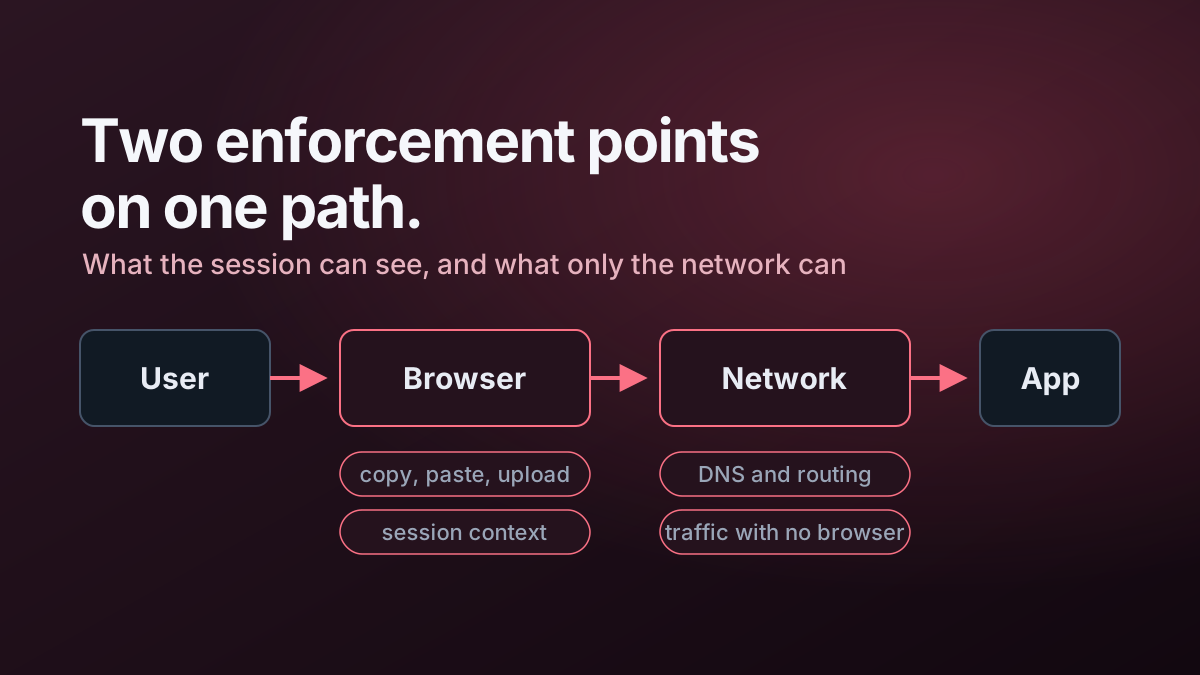
Enterprise browsers move enforcement into the user session. Network-centric Zero Trust still owns critical controls such as DNS, routing and non-browser traffic. The interesting architecture is often the combination.
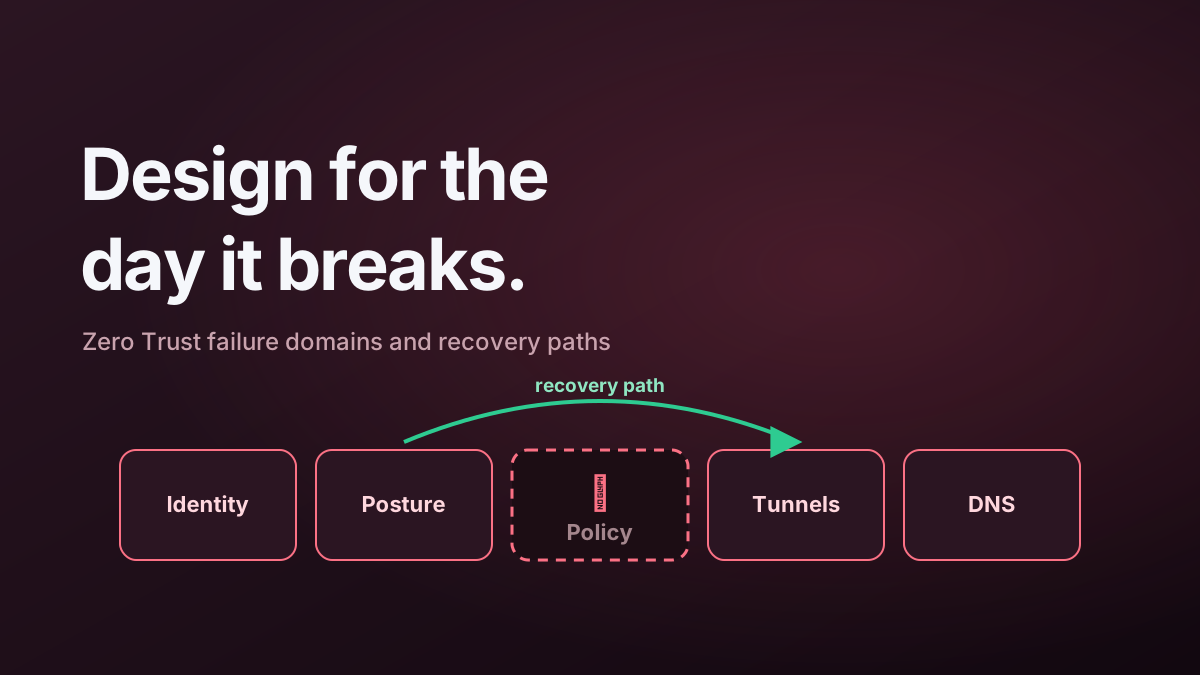
Zero Trust is not resilient just because it is cloud-hosted. Identity, posture, policy, tunnels, DNS and SaaS authentication all create failure domains that need deliberate recovery paths.
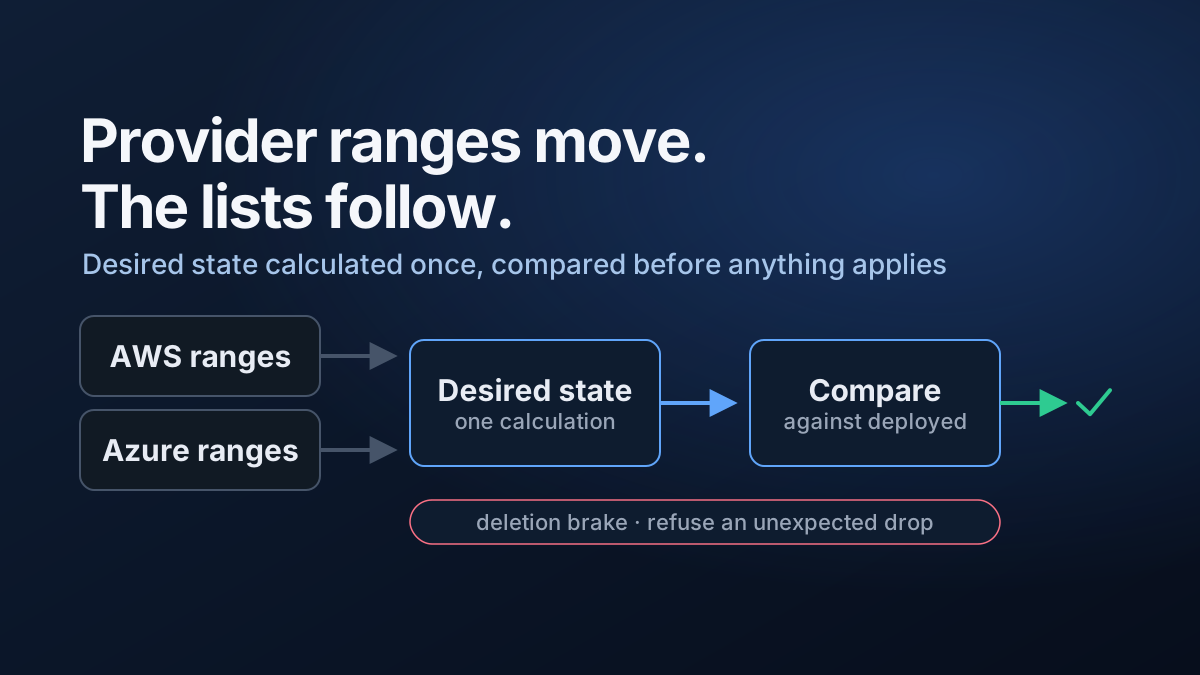
A practical pattern for consuming AWS/Azure network feeds, calculating desired state and safely synchronising Cloudflare Zero Trust lists with PowerShell.
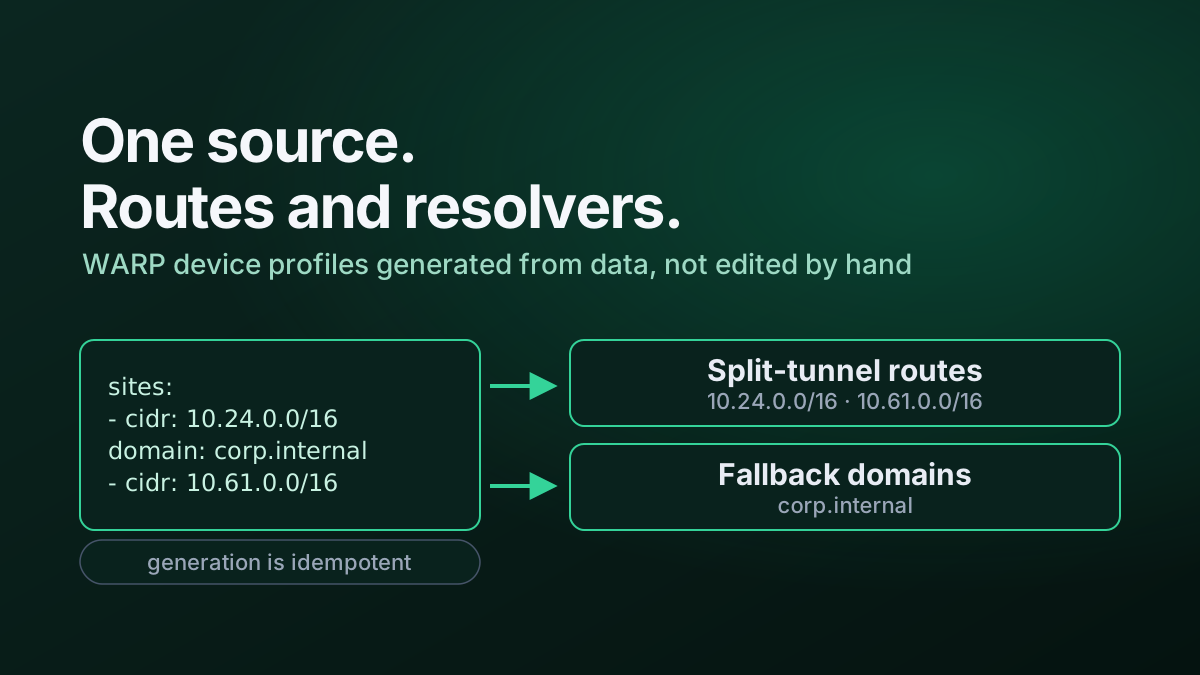
When private sites and DNS exceptions multiply, WARP device-profile configuration becomes data. Source control can become the input and PowerShell the generator.
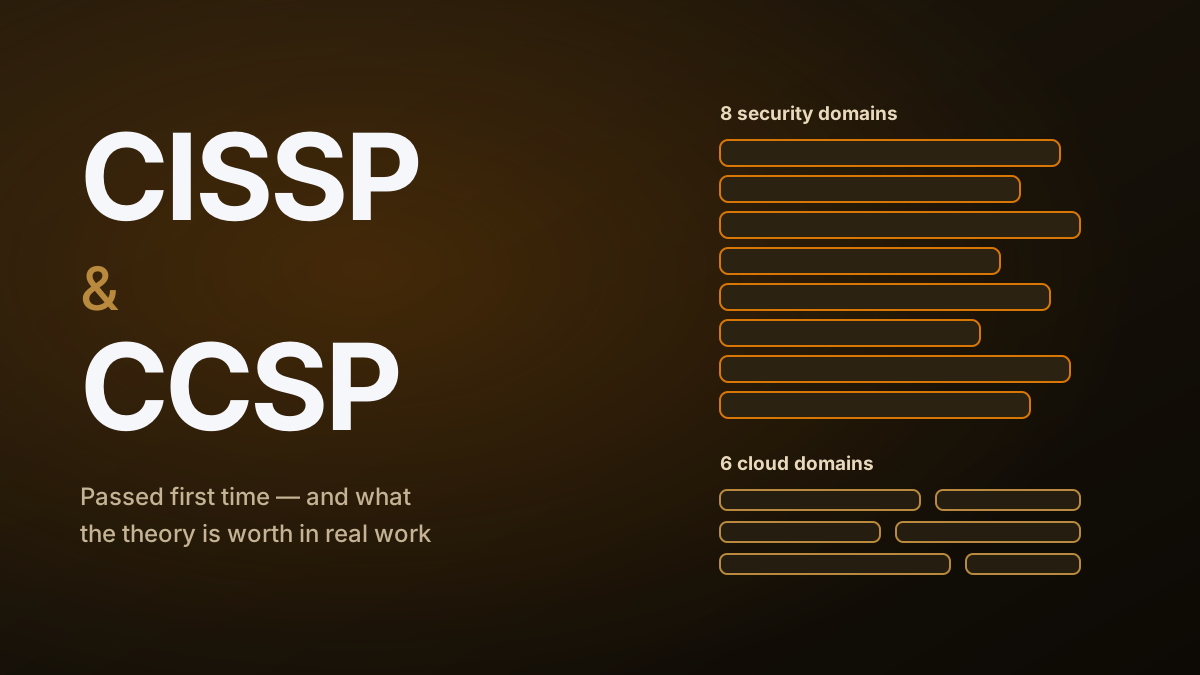
The study approach I used for CISSP and CCSP: ISC2 official material, instructor-led training, practice questions, Pete Zerger's Last Mile resources, and more than 20 years of practical experience.
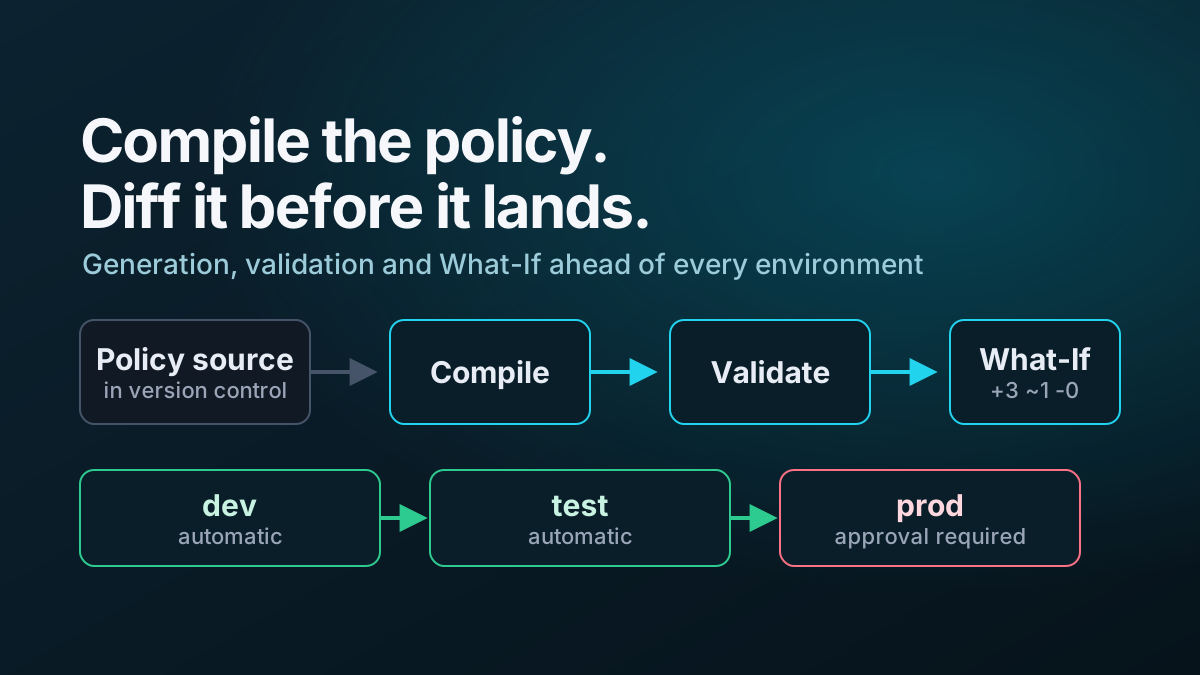
As Zero Trust policy grows, the engineering problem shifts from configuring a dashboard to safely compiling, validating and deploying policy across environments.
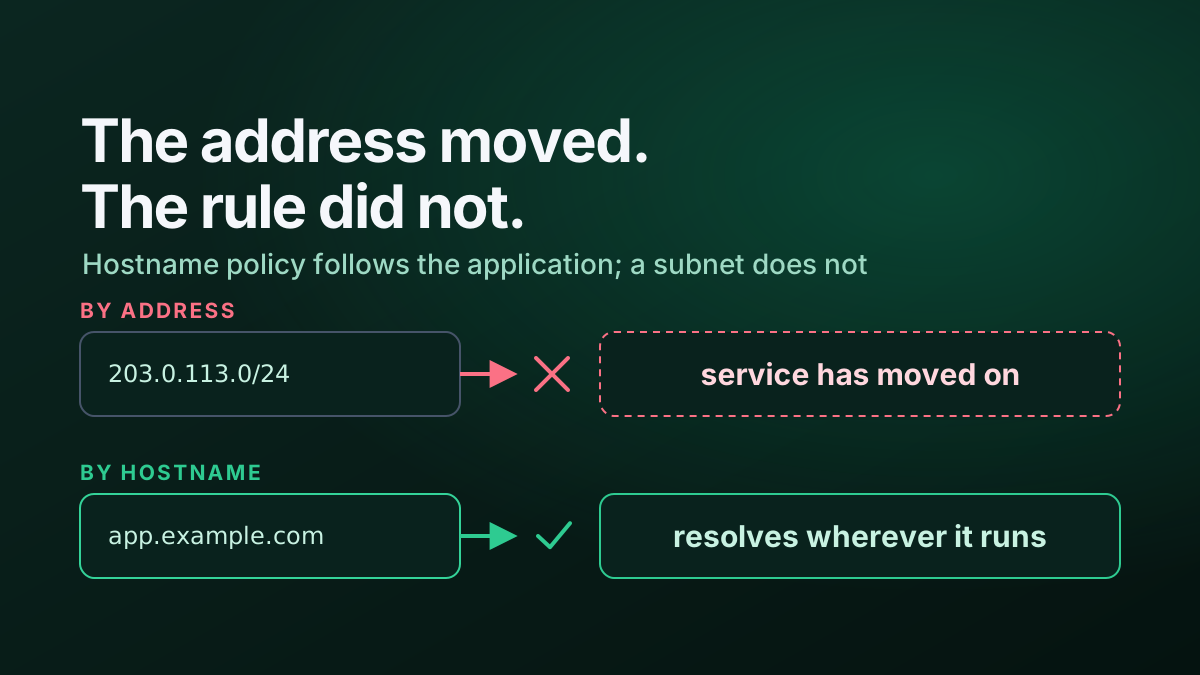
Static IP and subnet rules become fragile when SaaS platforms and CDNs move underneath you. Domain-aware egress policy aligns network controls with application intent.